
Reader summary
Four points to keep
- Compare three matched listings rather than a generic search thumbnail.
- Measure a similar garment you wear using the seller's stated method.
- Check shoulder construction before comparing sleeve lengths.
- Keep shipping and any extra services separate from the reference item price.
FACT-CHECK NOTE
Matched product links
Reference prices checked 17 October 2026. Open each listing to confirm options, current price and availability.
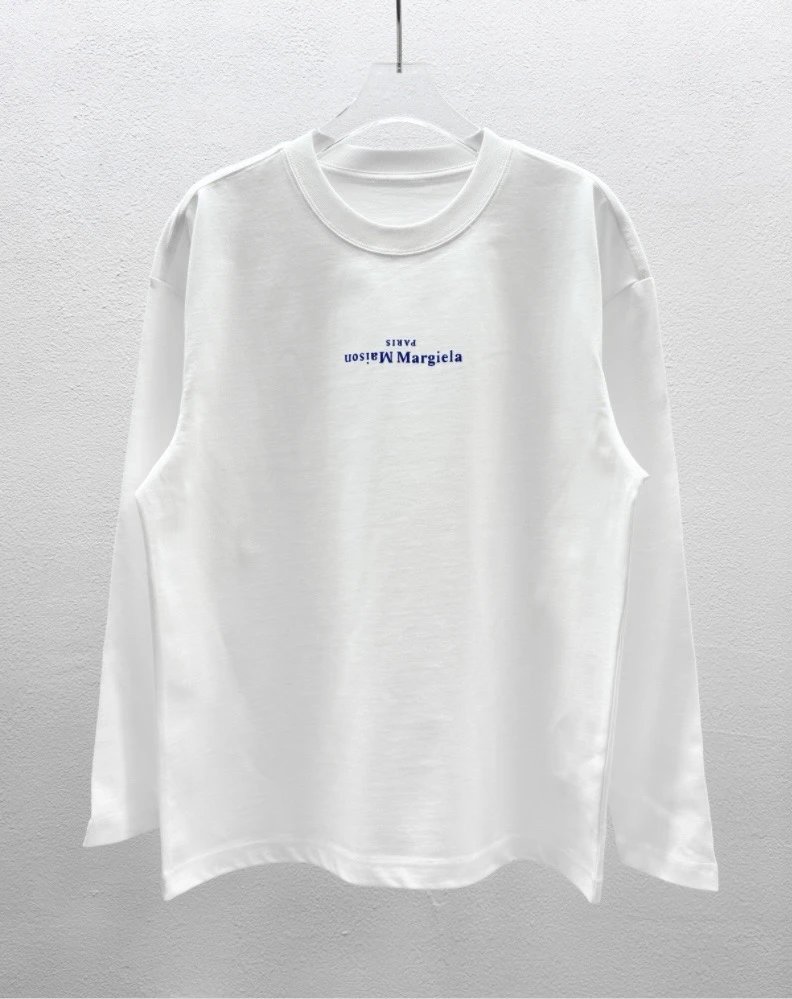 Loose-fit long-sleeve top · 3400
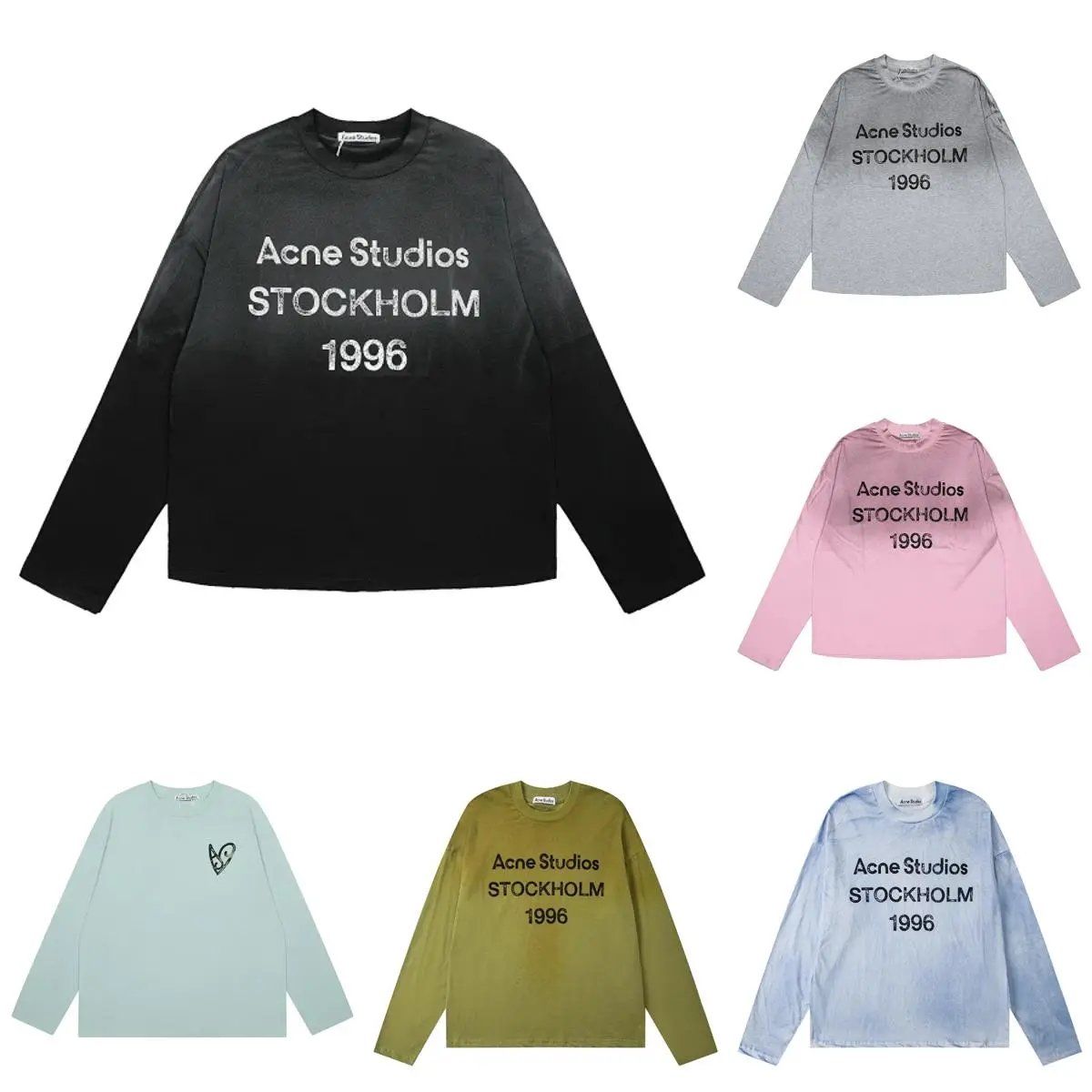 Autumn long-sleeve top · 3394
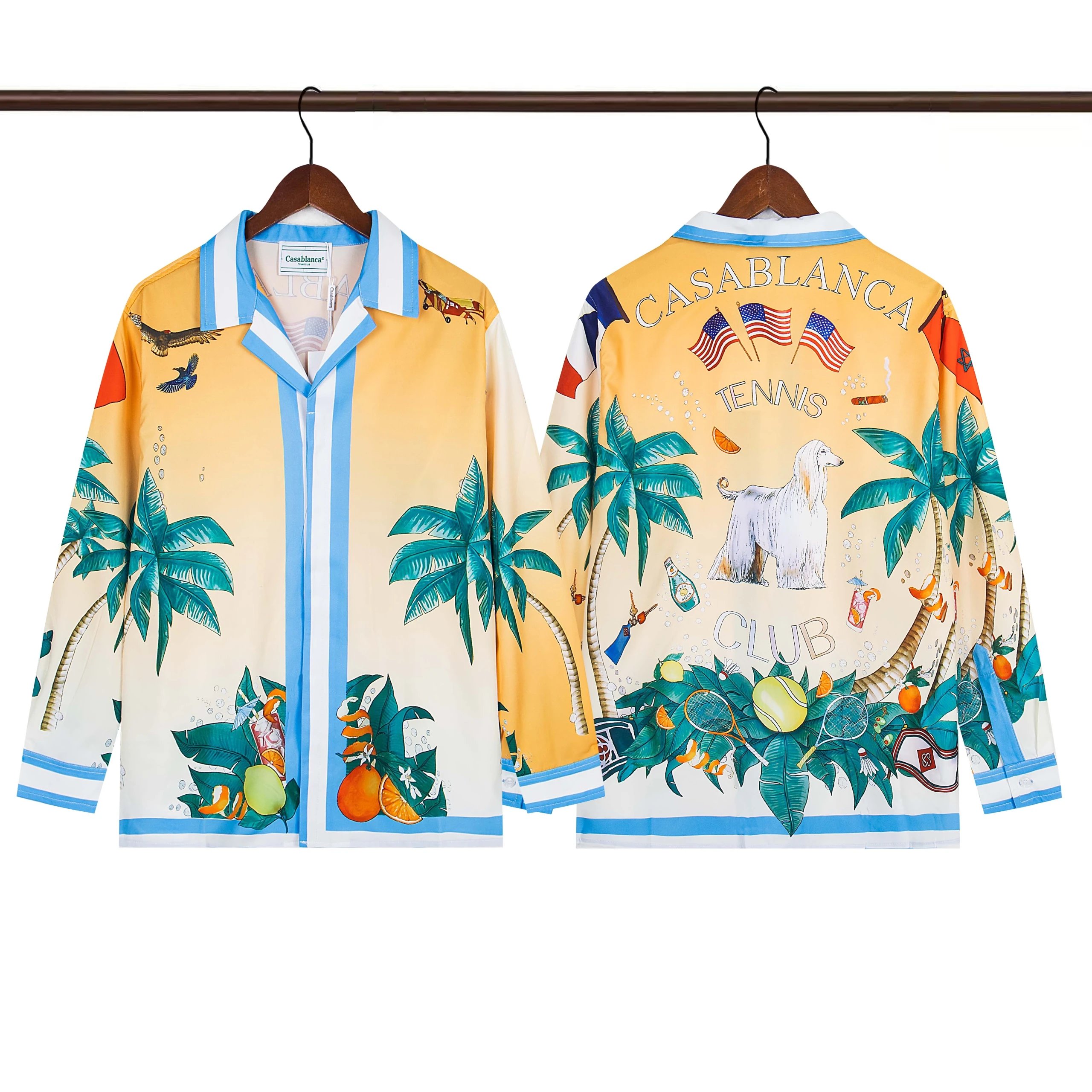 Printed long-sleeve shirt · 3384
Choose a silhouette before comparing the price
Long sleeve describes coverage, not a single type of garment. Decide whether you need a light base layer, a relaxed shirt or a heavier outer layer. Compare products intended for the same use before treating the cheapest option as an alternative. Source categories can be broad: a long-sleeve piece may appear under T-shirts, shirts or sweaters.
Start with the three matched links below and inspect their current selectors. A shared photograph or similar product name does not prove identical construction, fabric or seller terms.
Read the three catalog examples carefully
Entry 3400 was USD 18.06 and described by the source as a loose-fit unisex long-sleeve style. Entry 3394 was USD 15.28 with an autumn long-sleeve description. Entry 3384 was USD 15.28 and described a loose printed shirt. Those are catalog descriptions, not measured specifications.
Open each candidate to compare the actual color and size options. Record the option-specific amount rather than assuming that the card's reference price applies to every variant. Check whether the chosen option is the complete garment shown, and save any seller note about timing or returns.
Measure chest and body length on a reference garment
Lay a similar garment flat without stretching it. Measure chest width at the same position shown in the seller's diagram, then measure body length from the stated starting point. Keep centimetres and inches separate and label whether a value is a flat width or a circumference. Doubling a flat chest width gives an approximate garment circumference, not a guaranteed body fit.
Compare the values with a garment you like wearing in the same role. The amount of ease that works for a base layer may feel wrong for a relaxed shirt. A familiar S, M or L label is a starting label, not a measurement.
Account for dropped shoulders and sleeve shape
A sleeve measured from a dropped shoulder seam can be shorter even when the cuff reaches the same place on the wearer. Compare shoulder width and sleeve length together, and use the seller's measurement diagram rather than inventing a universal conversion. Raglan sleeves may use a different starting point altogether.
Check cuff width, closure and whether the hem shape suits the intended use. If a sleeve measurement could change your size decision, request a clearly positioned tape photo where the warehouse service permits it. A tape angled across a fold is not a reliable comparison.
Use QC for visible checks and keep material questions open
Match the item and selected option first. Then inspect front and back, neckline, cuffs, hem, seam alignment and any printed design. Compare both sleeves in a similar position. Uneven lighting, a fold or a stretched display can create an apparent mismatch, so ask for a targeted clarification before treating a photograph as proof of a defect.
Pictures can show a printed material label and surface appearance. They cannot establish fibre composition, softness, wash shrinkage or long-term print durability. Record what remains unverified rather than turning an attractive image into a quality guarantee.
Budget for the order, then keep the selected reference
Compare the selected item's price, domestic delivery and applicable service costs before payment. Plan international shipping from warehouse measurements; a long-sleeve top's title does not establish its packed weight. If several garments are combined, compare the actual parcel configuration instead of multiplying a guessed cost per shirt.
Keep the product link, original item reference, selected size, chart and QC decision together. That record is more useful for a later reorder than a screenshot of a catalog card whose price or options may have changed.
Related buying guides
Continue your research
Open a matched product, then verify the live details
Product availability, options, prices and seller notes can change. Use the catalog to find an item, then make the purchase decision from the current page and your saved order record.